5 Lessons for Effective Sustainability Governance in Your Municipality
A practical guide for local governments to implement meaningful, measurable sustainability goals—based on the official VNG framework.
Start with Clarity
1. Build momentum by Starting Small
Lesson: Begin with manageable themes like CO₂ emissions or energy use to create early momentum.
Why: Municipalities like Haarlem and Utrecht Province both started with tangible climate goals (e.g., CO₂ reduction) as a first step
Tip: Use Chapter 6 of the guide as a roadmap for building maturity and embedding sustainability into your Planning & Control cycle.
Define What Matters
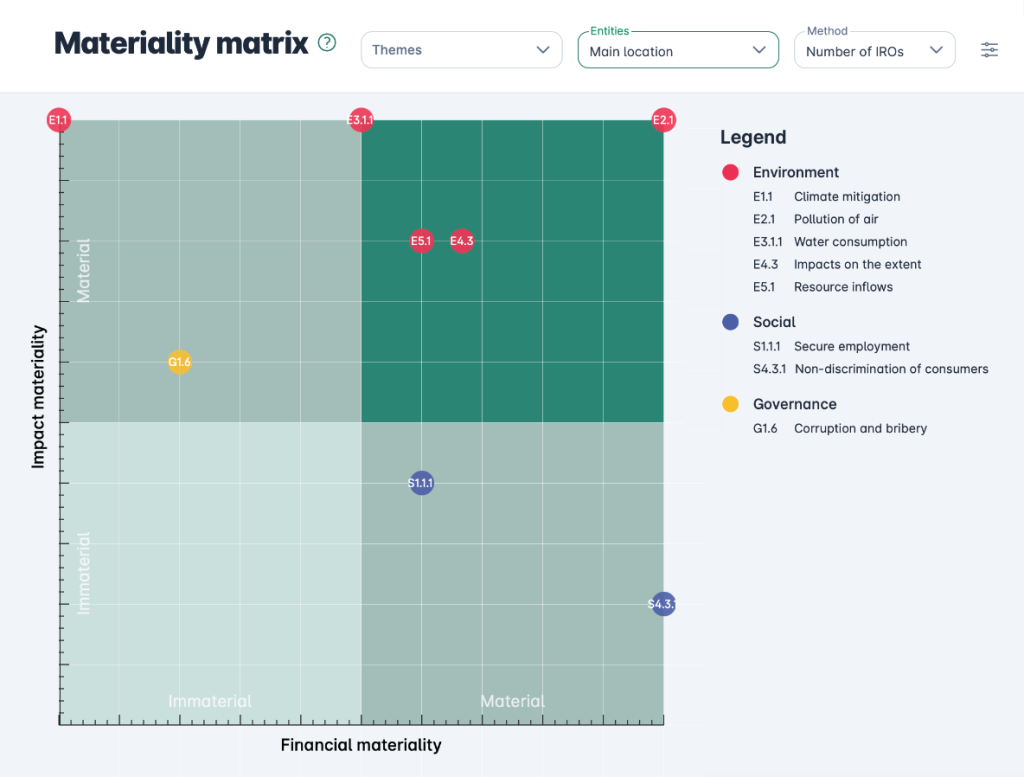
2. Use Double Materiality to Guide Your Focus
Lesson: Choose themes that are relevant to both your internal operations and your external stakeholders.
Why: The guide uses the ESG framework (Environmental, Social, Governance), emphasizing double materiality—the municipality’s impact on, and exposure to, sustainability issues
Tip: Follow the step-by-step method on p.17 to perform your own materiality assessment—from stakeholder analysis to mapping impacts.
Align and Customize
3. Combine Core Metrics with Local Relevance
Lesson: Start with standardized indicators, then supplement them with themes that matter locally.
Why: The core set (Chapter 5) offers ESG-based indicators including CO₂ emissions, biodiversity, institutional trust, and social cohesion
Tip: Add locally important themes like sustainable mobility, residual waste, or quality of living (see the "Additional Municipal Set" on p.24).
Make it Work in Practice
4. Embed Sustainability into Your Policy Cycle
Lesson: Sustainability reporting shouldn’t stand alone—it must be embedded in your budgeting and monitoring processes.
Why: The guide encourages linking sustainability goals to existing dashboards and your Planning & Control cycle
Tip: Align your indicators with current policy frameworks such as your Environmental Vision, Housing Plan, or Mobility Strategy.
Use What's Available
5. Turn the VNG Guide into Action
Lesson: The VNG guide isn’t just theoretical—it provides concrete sets, definitions, and templates.
Why: You’ll find detailed indicator definitions (Annex 5), SDG connections (Annex 6), and references to Green Deal and EU regulations
Tip: Use the core set overview (p.22–24) as a template for your municipal sustainability report—including data availability status (national, local, or under development).
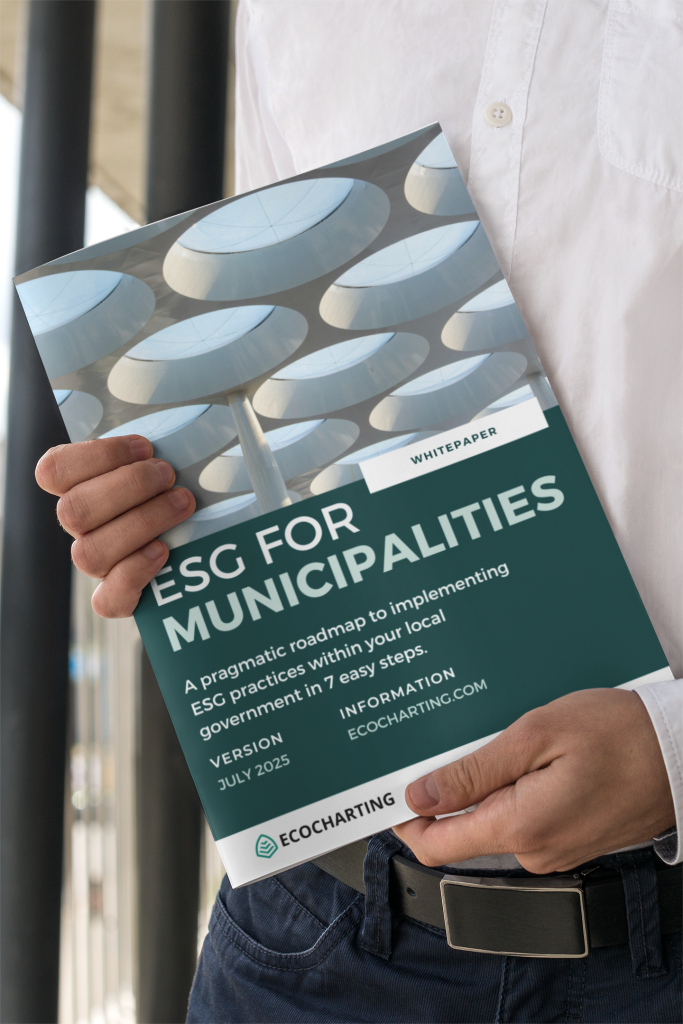
ESG for Municipalities
Our most up-to-date whitepaper. Discover a complete overview of the practical tips and lessons from other municipalities.
- How to set a foundation for ESG in your municipality
- Why adjusting for your local identity is important
- How to determine materiality and why it matters
- The role of data and digitalisation
About Ecocharting
Ecocharting: how does it work?
Ecocharting helps organizations measure, report, and manage sustainability across their operations and supply chains. For municipalities, it’s essential to lead by example and inspire local businesses to follow suit. Moving beyond spreadsheets and static questionnaires to a smarter, integrated approach can make a real, lasting impact.
Smart Structure
Save time by filtering your data points based on business units and tags.
Automated
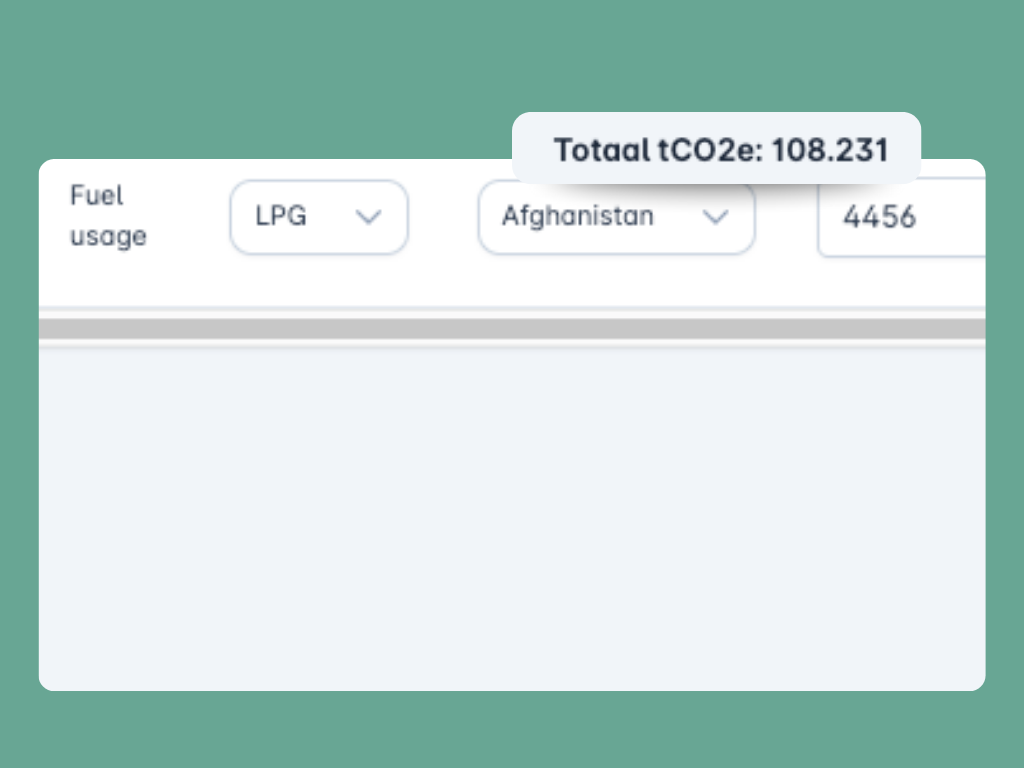
Automatically convert all data into the right values, such as tCO2 equivalents.
Compliance
Meet the required international standards that also apply to local businesses.
Climate action
Take action where it counts. With carbon accounting you uncover your biggest climate levers.
GET STARTED WITH ECOCHARTING
Collect. Report. Improve.
Embark on a pragmatic ESG journey.
Get a grip on your ESG data.
Accelerate Growth.
From small VSME to big CSRD players and everything in between – we help you act on what matters. How?
See how it works
Improve your offer
with Ecocharting.
The all-in-one platform that unites data, accountancy, and sustainability to better serve your clients.
See how it works