Sustainable Development Goals (SDG's) for Municipalities
Everything about SDGs and how municipalities can integrate them
Over 100 Dutch municipalities have adopted the UN Sustainable Development Goals (SDGs).
Becoming a Global Goals Municipality is voluntary — not a legal requirement.
Focus matters: select goals based on local impact and materiality.
- Clear priorities and measurable goals help translate SDG’s for municipalities into real, measurable outcomes.
Contact us today to learn how Ecocharting supports SDG’s for municipalities and helps local governments put sustainability goals into action.
Sustainable Development Goals (SDG's) for Municipalities
Everything about SDGs and how municipalities can integrate them
- Over 100 Dutch municipalities have adopted the UN Sustainable Development Goals (SDGs).
- Becoming a Global Goals Municipality is voluntary — not a legal requirement.
- Focus matters: select goals based on local impact and materiality.
- Clear priorities and measurable goals help translate SDG’s for municipalities into real, measurable outcomes.
Table of Contents
Sustainability is a key theme for many municipalities. More and more local governments want to show that they actively contribute to a better world and therefore choose a clear framework: the Sustainable Development Goals (SDGs), also known as the Global Goals.
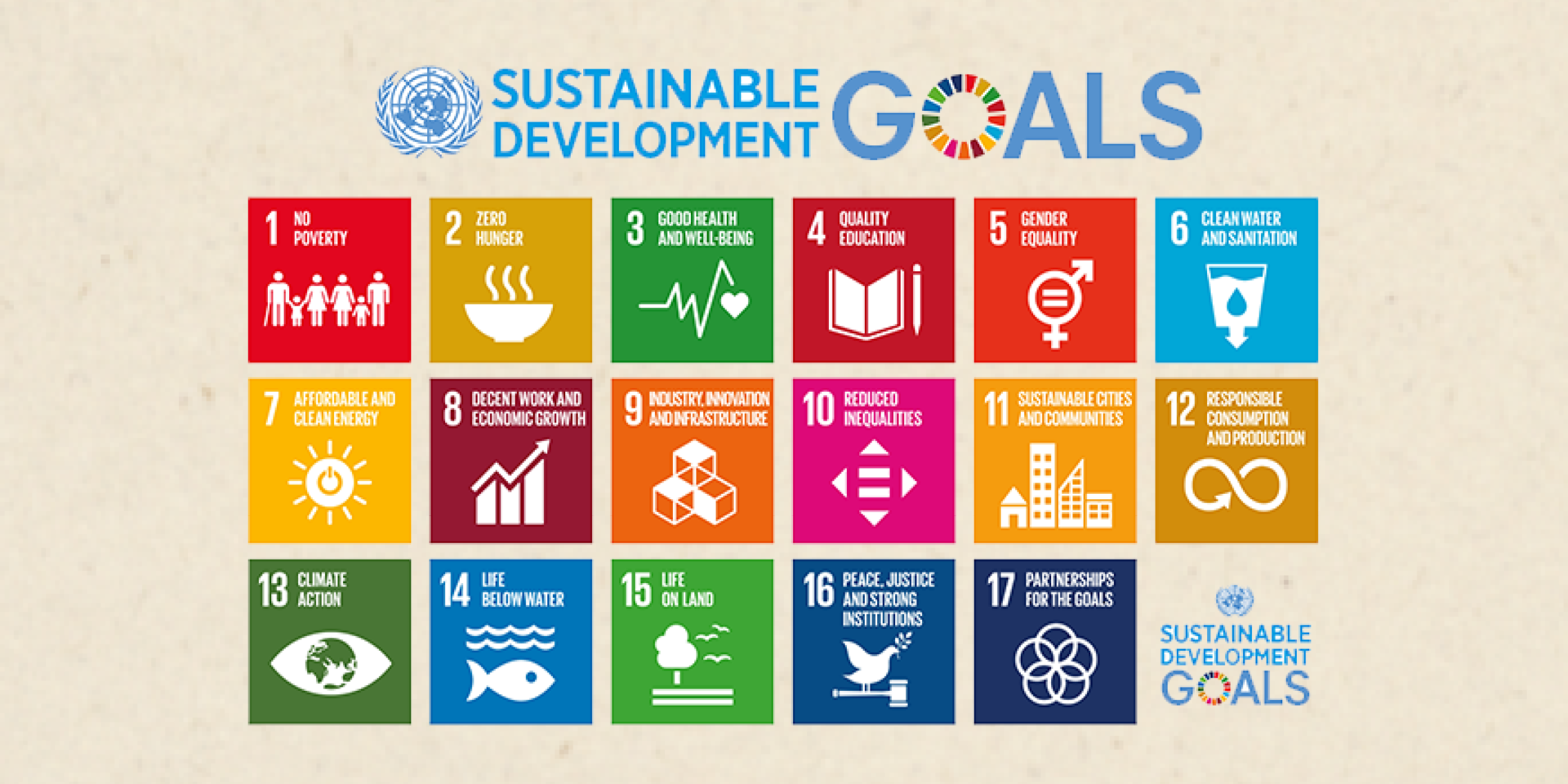
These seventeen goals, established by the United Nations, form a global agenda for a fair, healthy, and sustainable future.
In the Netherlands, more than one hundred municipalities have now officially joined as Global Goals Municipalities. A growing network that brings SDG’s for municipalities to life through local policy and action. But what does that actually mean? Is it mainly a symbolic gesture or a genuine step toward sustainability?
In this article, we explore the origins of the SDGs, the process of becoming a Global Goals Municipality, inspiring examples, and how municipalities can make these goals concrete within their policies.
From Millennium Development Goals to SDGs
In the year 2000, the Millennium Development Goals (MDGs) were launched — eight global objectives aimed at reducing poverty and improving education, healthcare, and international cooperation.
These goals ran until 2015 and formed the first worldwide development agenda.
When it became clear that many challenges extended beyond developing countries alone, the need arose for a new, more comprehensive framework. In 2015, the Millennium Goals were replaced by the Sustainable Development Goals (SDGs) — seventeen concrete objectives for sustainable development that apply to all countries.
Dutch municipalities also joined this global ambition — first as Millennium Municipalities and later as Global Goals Municipalities.
Today, 141 of the 355 Dutch municipalities are officially part of this movement. You can view the full overview map of Global Goals Municipalities on the VNG (Association of Dutch Municipalities) website.
What Does It Mean to Be a Global Goals Municipality?
Municipalities that want to join the Gemeenten4GlobalGoals campaign by the VNG do so on a completely voluntary basis. There are no formal obligations or legal requirements.
A council resolution is not mandatory, though it can help demonstrate commitment and ensure political backing.
The key point is that a municipality actively uses SDG’s for municipalities as a source of inspiration and guidance for policies, projects, and communication.
In practice, this means:
- Making the SDGs visible in communication and engagement with citizens and partners.
- Linking policy decisions to relevant SDGs.
- Measuring and reporting progress, for example using the VNG’s SDG Dashboard.
- Connecting projects, initiatives, and partnerships to the SDG themes.
This approach results in a recognizable and coherent sustainability strategy that fits the municipality’s unique identity and priorities.
Practical Examples of SDG Implementation
A good example is the municipality of Dronten, which was already active as a Millennium Municipality.
Dronten deliberately focused on just two goals: a sustainable living environment and fair trade & cooperation. By choosing a limited and achievable focus, the municipality was able to achieve real results and maintain momentum.
Other municipalities take a broader approach. For example, the municipality of Oss has integrated all 17 SDGs into its website and linked them to different policy areas. For each goal, the municipality highlights the projects and initiatives contributing to it.
These diverse approaches show that there is no one-size-fits-all model. Each municipality can decide how to apply SDGs for municipalities, depending on its size, ambition, and local context.
What Are Municipalities Required to Do?
Formally, municipalities are not obligated to work with the SDGs. Participation in the network of Global Goals Municipalities is voluntary. There are no legal guidelines or control mechanisms.
However, municipalities are encouraged to define how they will concretely engage with SDG’s for municipalities. That begins with focus: choosing a limited number of goals that align with local realities and social challenges.
In 2024, the Coalition of the Willing published the Guideline for Municipal Sustainability Reporting. The tips provided there are also useful when integrating the SDGs at the municipal level.
One important recommendation is to determine focus based on materiality: which themes does your municipality truly influence, and where are the most significant risks or opportunities?
A practical method is conducting a double materiality analysis — mapping out which topics matter most to society and where the municipality has direct impact.
This process increases insight, builds support within the municipal organization, and helps formulate concrete, measurable objectives.
For instance, an agricultural municipality might focus on food, soil, and water quality, while an urban municipality could prioritize inclusion, health, and sustainable mobility.
Once materiality is clear, measurable goals and indicators can be defined, and progress can be monitored over time.
Pitfalls and Success Factors
Common Pitfalls
- Staying stuck in general statements without concrete goals.
- Trying to do too much, resulting in loss of focus and impact.
- Lack of executive or administrative support.
- Absence of measurable results or structured monitoring.
Key Success Factors
- Make the SDGs specific and measurable, with clear targets and timelines.
- Link SDG priorities to existing policy processes and budgets.
- Involve partners such as schools, businesses, and social organizations.
- Communicate regularly about progress and successes to strengthen engagement.
- Use the SDGs not just as a communication tool, but as a strategic compass for policy.
Conclusion
SDG’s for municipalities provide an inspiring and widely supported framework that helps municipalities embed sustainability in a structured way.
At the same time, it’s important to recognize that being a Global Goals Municipality carries no formal obligations. It’s up to each municipality to translate the SDGs into concrete actions and measurable results.
The best outcomes are achieved by focusing sharply, working from materiality, and setting clear priorities. In this way, SDG engagement becomes not just a nice label, but a tangible contribution to a sustainable and future-ready municipality.
Want to know how Ecocharting can support your municipality with ESG and SDG integration? Watch the on-demand webinar now:
Ecocharting in a Nutshell
👉 Ecocharting.com/nl/on-demand
Request webinar
Want to know how Ecocharting can support your municipality with ESG? Watch on-demand webinar now: Ecocharting in a nutshell
Here to help you succeed
Explore how Ecocharting software can help you manage your ESG data and start building a more sustainable company today

Request live demo
Ready to explore? Request a demo and discover how Ecocharting can support your ESG work. Just fill in your details to get started.
By submitting your information, you agree to Ecocharting’s Terms of Service and Privacy Policy. You can opt out anytime.